What We Really Think About Permits
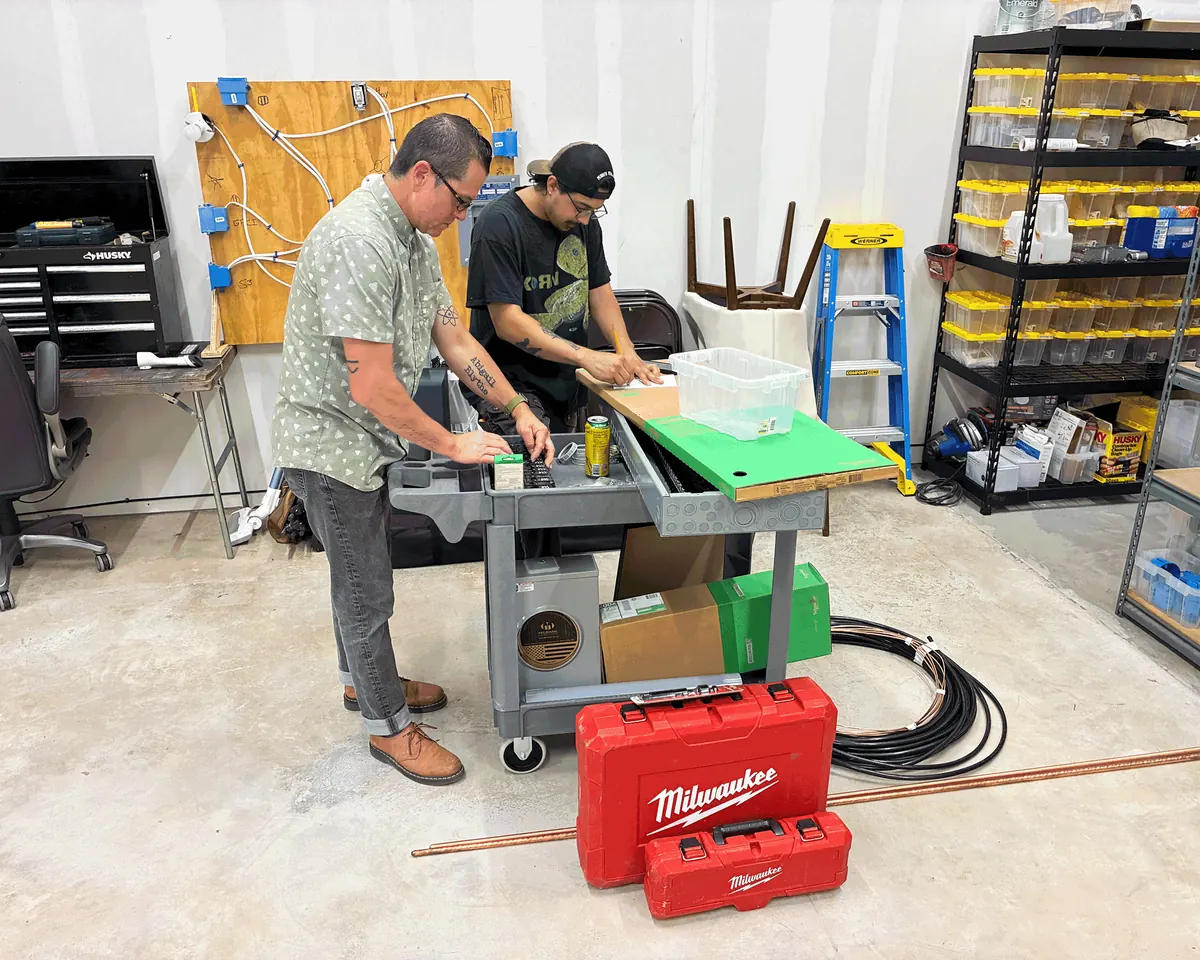
We believe the greatest value of the permit process is how it influences the decisions companies make. The expectation of independent oversight affects who they assign to the job, the materials they use, and the standards they're willing to accept.
Let's consider a few things you should expect when electrical work is done in your home:
- A licensed, qualified electrician doing the work in your home. This means a journeyman or residential wireman qualified to work independently, with apprentices working under their supervision.
- That electrician having the support and oversight of a master electrician. Someone experienced who's ultimately accountable for the work.
- Everything done to electrical code. These are safety standards, not suggestions. Unsafe installations often appear to work just fine. That's not the test.
- At least two sets of qualified eyes on the finished work. And they can't be yours. Most homeowners simply aren't equipped to recognize electrical mistakes.
So what does the permit process have to do with any of this?
Like most things in life, doing something the right way takes time. And when time is expensive, there's a strong incentive to find ways to save it. Experienced, licensed electrical labor is expensive, and managing permits and inspections takes additional time and effort.
It's much easier to skip that process than to make it more efficient. It also makes the job easier to sell to price-conscious homeowners (and we should all be price-conscious), especially when the person selling it earns a commission or bonus.
But once a company decides to skip a required permit, the incentives begin to change.
Without an inspection, it becomes easier to compromise on #1 and #2. And when that happens, problems with #3 become more likely. You've also lost #4, which may have been your last chance to catch those problems.
It all tends to cascade.
And this matters. We see serious safety issues because of it, including fire hazards and damage to electrical systems that can be very expensive to fix. The troubling part is that everything may appear to work perfectly fine.
This isn't to say all permitted work is correct. City inspections aren't perfect, and we've seen things get missed firsthand.
But here's the point: the biggest benefit we see to electrical permitting isn't the formality of checking a box. It's that the entire process helps keep people accountable in places where the homeowner simply isn't equipped to know better.
Thanks for reading,
The Tradesmen's Pride Electric Team